Major League Soccer’s 19th season has come to a close and I am taking a look at some of the biggest talking points from this World Cup year. I’ll also hand out some biased awards and share my favorite highlights from an amazing year of soccer in North America.
THE GOOD
MLS Next is Here
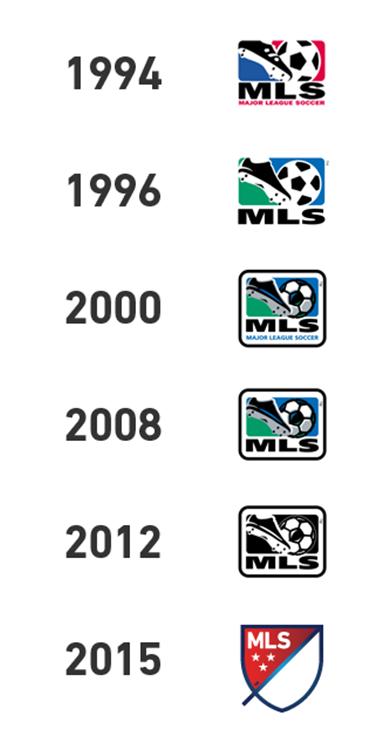
Earlier this year, in typical MLS fashion, the league put on a ridiculous branding show called “MLS Next” that was basically a glorified logo unveiling. I think most MLS fans were excited by the idea of a new logo, but also skeptical about the league actually getting it right. Since 1994, there have been five “different” MLS logos. Have a look:
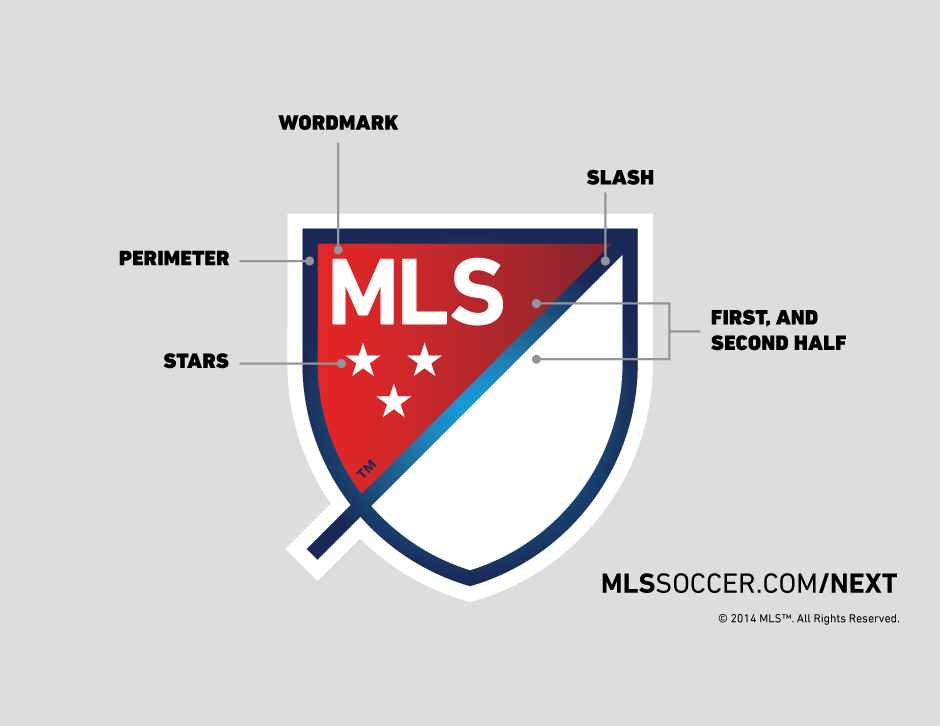
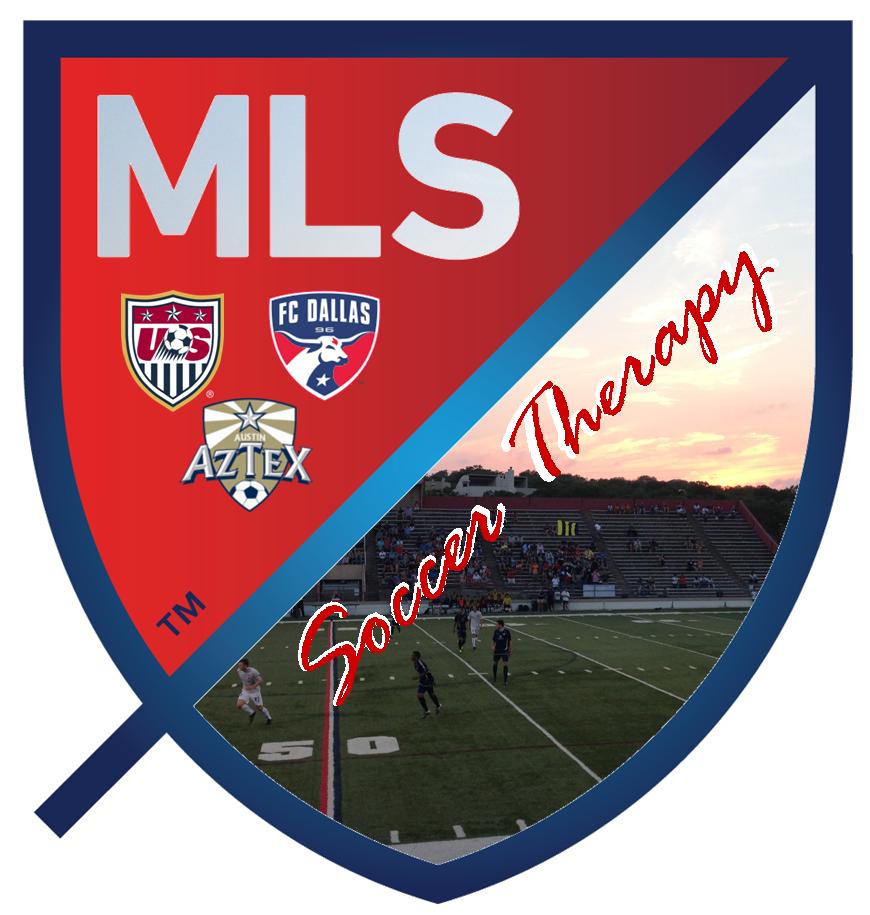
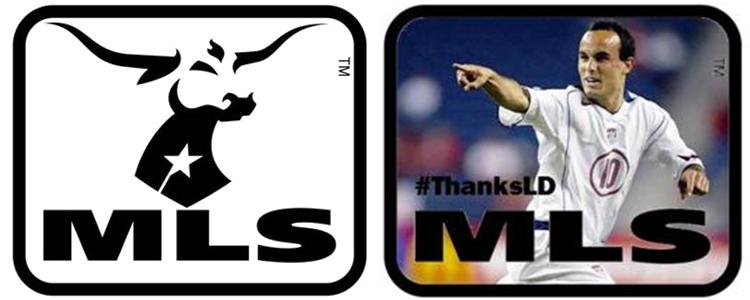
 As you can see, the league hasn’t exactly been getting creative. The newest edition, which will go into use in 2015 for the league’s 20th season, was initially met with a negative reaction. Many thought it looked, cheap, thoughtless, lacked substance, and why is that damn kick-stand sticking out of the shield!?! Those are all fair assessments, because on the surface, it does seem overly simple to the point that it lacks identity. But since these initial reactions, the logo has started to grow on fans around the league. MLS was brilliant to observe that so many of its supporters liked to take the old logo and alter the image to do different things with it, including myself:
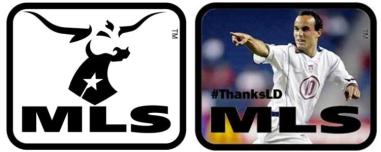 MLS took notice of the trend and really embraced it when designing the new logo. They gave some silly explanation about how the red half of the shield symbolizes the first 45′ and the white half symbolizes the second 45′, but I believe they wanted to engage fans with a blank space in the logo to let them play with. This is brilliant marketing, but enough about logos.
NYCFC – The Connection
Manchester City’s investment into MLS has blown open a number of really cool possibilities for the league. First of all, the New York market should be taken advantage of, and NYRB certainly aren’t doing their part right now. In terms of building a more prominent product within the American pro sports hierarchy, establishing a proud, dominant, inner city club in NYC is about the most obvious thing any league could do. MLS has yet to do this, but if the Yankees-ManC partnership can make a stadium happen, NYCFC could earn legitimate international popularity. They are certainly off to a good start with the likes of Super Frankie Lampard and David Villa set to take the pitch this coming spring. Beyond the two decorated designated players (DPs), I’d imagine NYCFC will find a way to incorporate ManC’s youth talent into their MLS roster and maybe even get around some salary cap restrictions as a result. NYCFC has a veteran MLS coach with a proven track record and an MLS Cup title to his name. They’ll pick up some MLS veteran household names, surround them with 18 year old English kids and three high profile DPs. For people who hold out hope that the U.S might one day become a soccer power (at the club and international levels), this tangible link between MLS and world soccer power Manchester City is absolutely a big deal.
Player Acquisitions
MLS took a massive step forward when Seattle signed Captain America (C. Dempsey) back in the summer of 2013. The league validated that step forward when it brought in USMNT stud midfielder Michael Bradley and Premiere League talisman Jermaine Defoe in January. Orlando City SC signed the Brazilian Kaka – sure he may be old, but this is the kind of acquisition that has alluded MLS in the past. It’s also nice to see an expansion club in Orlando contribute to the league with a marquee signing before even taking the field (Note for Austinites: this Orlando City Soccer Club, which will make its MLS debut next spring, is actually the original Austin Aztex, who controversially left town, set up shop in Orlando, and now the rest is history). The Houston Dynamo signed two players that got serious time in Brazil this summer, although one of them is Honduran and the other is quickly becoming a washed up American fullback (Beasley). I already mentioned Frank Lampard and David Villa signing with New York. The number of DPs in MLS is growing. Owners and technical directors across the league are faced with constant pressure to sign real talent just to avoid a bottom table finish (Case in point: Colorado Rapids). As a result, North American clubs are making bigger moves with each coming transfer window, and it is becoming less of a stigma for star players to sign with an MLS club.
Keeping Players Too!
USMNT regulars Graham Zusi and Matt Besler signed with SKC rather than a European club when the option was theirs. The league is doing everything in its power to hang on to Cubo Torres, the Mexican striker who followed up a breakout year in MLS with a national team call up and a goal for El Tri. FC Dallas will be desperate to hang on to their young super talent, Colombian winger Fabian Castillo, after Mexican powerhouse Club America showed interest in the 22 year old earlier this year. Here is a pair of highly recommended highlights from each of the young attackers – one from Cubo Torres and one from Fabian Castillo.
The Homegrown Initiative
In my MLS All-Star* 2014 piece, I mentioned the inaugural Chipotle Homegrown Game and the league’s effort to showcase the talent produced by its club’s youth academies. MLS clubs will eventually be required to start their own lower-division team or affiliate with one. Austin’s Aztex just affiliated with the Columbus Crew while FC Dallas just partnered with Arizona United SC for the 2015 season. LA Galaxy became the first MLS club to field their very own lower-division club, the Galaxy II, who just completed their inaugural season in USL PRO (3rd tier of US Soccer pyramid). They will be joined by RSL, Portland, Seattle, Vancouver, Montreal and Toronto as each of these clubs will be fielding a USL PRO squad in 2015.
Perhaps the truest sign that player development in the U.S. is improving is the sale of DeAndre Yedlin to Tottenham earlier this year. He is a great young talent and the league will miss his marketability, but the fact that an MLS homegrown was granted a work permit in England so quickly after Totttenham showed interest suggests that maybe even the English are starting to take MLS seriously. 2014 was genuinely a landmark year for homegrowns in MLS. FC Dallas saw the rise of Moises Hernandez at left back and Victor Ulloa at d-mid, two very young players who look to be MLS regulars for the next decade (Hernandez could eventually garner European interest – he looks that good). Seattle Sounders homegrown Jordan Morris (currently playing college soccer at Stanford) received a call up to the national team earlier this year. Gyasi Zardes bagged a goal in MLS Cup and is garnering national team interest himself after a 16-goal season up top for the Galaxy.
We are seeing MLS’ player development efforts pay off before our own eyes. At the same time, the league and the U.S. Soccer Federation continue to ramp up these efforts and establish a more thorough and intense player development system resembling that of a European country. If the league and its clubs continue to take player development seriously, it could lead to great things for both MLS and the USMNT.
Stadium Movement
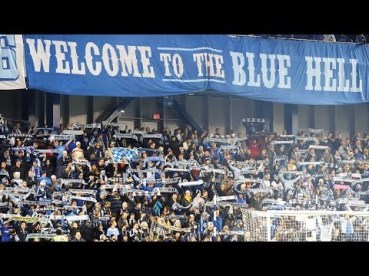
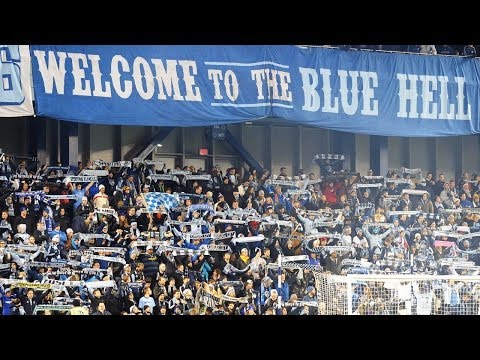
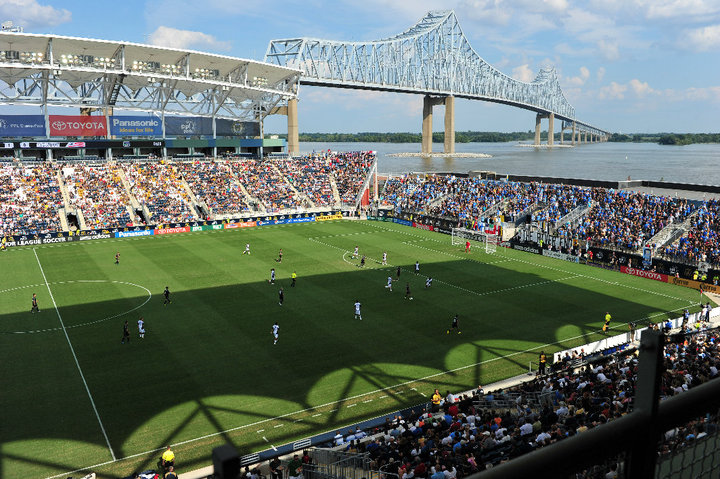
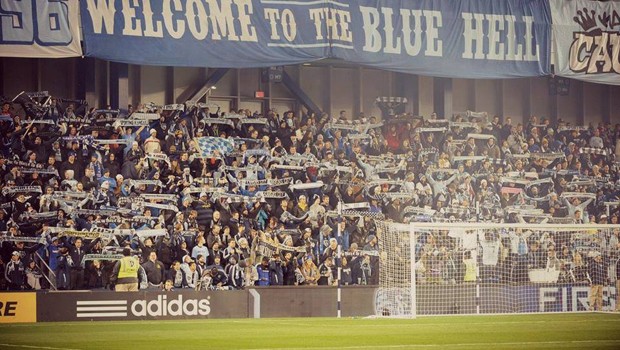
As fans of MLS know, soccer specific stadiums have played a massive role in the league’s growth by offering passionate supporters a place to call their own. Beautiful stadiums that sell out at 20,000 tickets rather than 50,000+ make it much easier for clubs to create a fun and exciting atmosphere for fans and players alike – make no mistake, that “Player Acquisitions” section above would not exist if teams were playing in half empty NFL stadiums. The point is that soccer specific stadiums are critical to the success of MLS and the league is making real progress in finding suitable venues for each of its franchises. The New England Revolution remain a concern as they play in Gillette stadium, a massive NFL venue with an artificial surface. But one of MLS’ proudest franchises, DC United, seems to have secured a new stadium deal so they can finally escape the laughable RFK. The Earthquakes will play their first game in their new San Jose stadium this spring. Orlando City has broken ground on the site where they will build their new soccer specific stadium. Here is a great view of one of SKC’s many supporter’s sections – this scene is becoming commonplace across the league:
The Bad and the Ugly
I spent so much time talking about the good things going on in Major League Soccer that this column couldn’t possibly squeeze much more into it. I’ll just list some of the “bads” and “uglys” with a quick thought to keep it brief. After all, Soccer Therapy is a place for happy thoughts. Then, it’s onto awards and highlights!
THE BAD
Scheduling – Unlike most domestic leagues, MLS’ schedule does not accommodate to the FIFA international calendar. Like Scandinavian leagues, MLS doesn’t want to play soccer in the ice and snow, and nature forces the North American soccer season to run from spring to fall. That is fine, but I would like to see the league make some effort to give its clubs a break during FIFA international dates. Currently, MLS does not recognize these dates and it is incentivising clubs to target players who don’t factor into their respective national team pictures.
Secrecy – I have not read them in detail, but those who have assure me that the league rules make no sense, and if they did it would not matter. Many felt the league basically just made up the rules as it went along so that it could bring in stars Dempsey and Bradley. If this is the case, we are better off with these guys than without them, but it severely damages the young league’s credibility when it contradicts itself with one player acquisition after another.
Salary Cap – The “secrecy” concern is legitimate, but also understood because MLS is operating in an environment where it is destined to fail. A domestic soccer league has never thrived north of the border, and if it means ridiculous levels of control by the front office to keep the league afloat, I suppose that is better than the league collapsing like its predecessors. I think the league is trying to keep the cap figure low as its core of investors turn soccer franchises from debts into revenue generating businesses. Not all owner pocket books are created equal, and a salary cap represents the best way to maintain parity and excitement. But MLS has stated that it would like to be considered a top league in the world at some point. It would also be nice if MLS clubs could compete with LigaMX clubs: In the last six editions of the CONCACAF Champs League, only four MLS clubs have reached the semis, only one has reached the final, and none have managed to win the cup. MLS is walking a fine line between being a growing league and one with real aspirations. But until teams are given the salary cap freedom to sign DPs and still fill out a deep, solid, veteran roster, the league will not be able to compete with Mexican clubs.
THE UGLY
TV Ratings – As an avid MLS supporter I have a hard time finding anything “ugly” about the league, but the TV ratings have been objectively hideous. The biggest problem is that I do not see where the league can showcase its product without going up against a much more popular American sport. Summer time seems like a good window as many American sports are on break as well as popular European domestic leagues. The ideal time to show MLS games would be at the conclusion of the season when playoff spots are on the line and then the playoff games as well. In 2014, the MLS Cup playoffs began on 10/29 and ended on 12/7. There is this little thing called the NFL that happens to be going on four nights a week during this stretch. I truly have no idea how MLS is going to get TV viewers going forward. Maybe, just maybe, this is real cause for the league to consider getting on the FIFA calender so they can showcase their product without competing against the NFL. But again, the weather in North America simply does not allow for that.
Awards:
Commentary Highlight of the Year: watch (and listen) as commentator Paul Mariner encourages his beloved New England side to keep a clean sheet in the opening minutes of a match only to see the boys give up a goal within seconds of saying it: “Well there I am, Brad, talking about keeping it clean…” – this is priceless.
Rookie of the Year:
Harrison Shipp, Attacking Mid, Chicago Fire
The young homegrown (more homegrown love!) played his first MLS season after a standout career at Notre Dame and absolutely tore it up. After 7 goals and 6 assists, he finished 2nd in the real rookie of the year voting to FC Dallas’ Tesho Akindele. Tesho had a great season and was deserving of the attention, but his winning the award was a result of a great social media campaign by FC Dallas. Shipp is the rare American footballer with European skills and vision. While he is great over the dead ball and a lethal finisher in front of goal, his ability to find and make the pass is what truly separates him. This 15-second highlight is a little fuzzy, but you should get the idea. The voters had their reasons though: this is the best highlight from Tesho’s 7-goal rookie campaign.
Coach of the Year
Oscar Pareja, FC Dallas
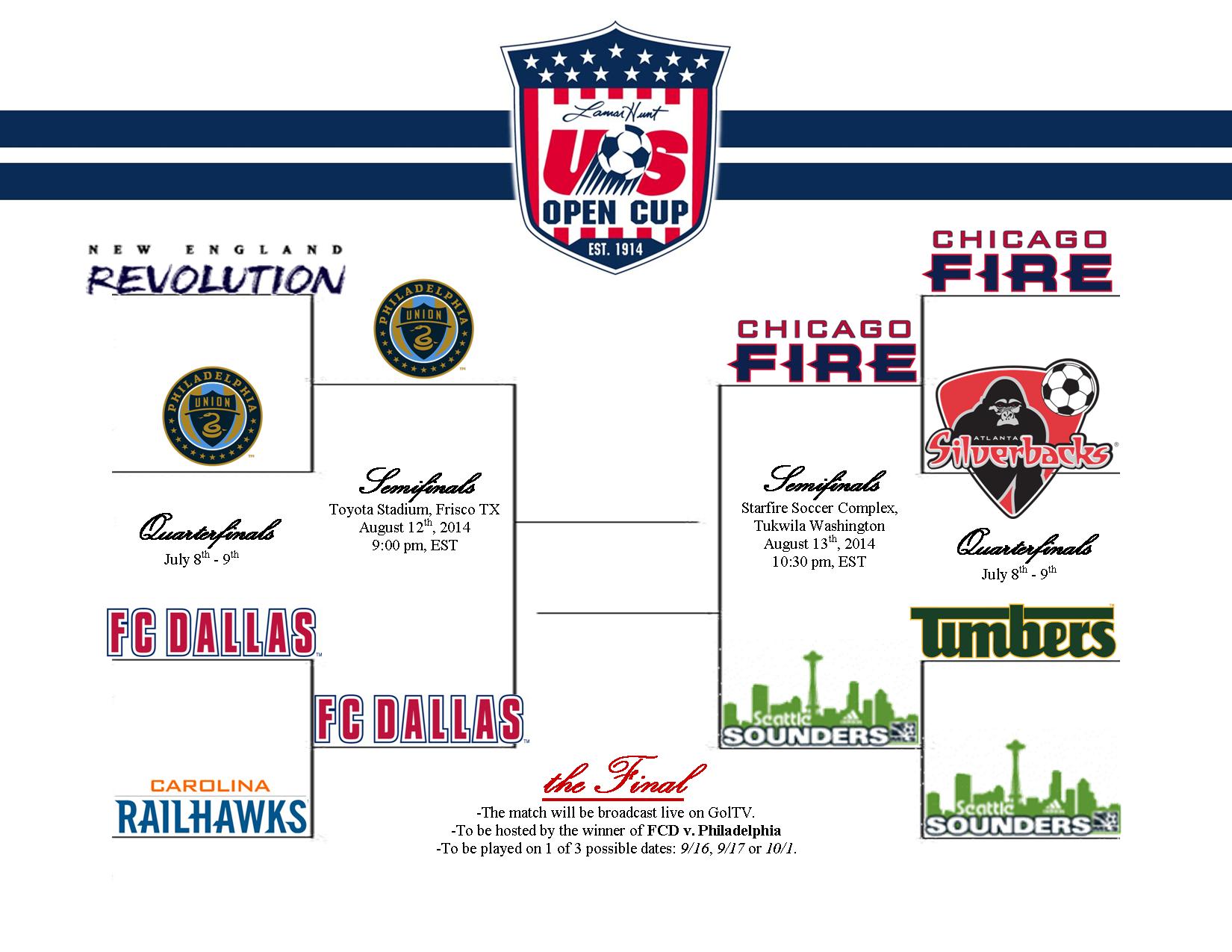
Oscar took over a team that had the 5th overall pick at each of the last three MLS Superdrafts. He led the club through an absolutely brutal western conference and got FC Dallas their first playoff win since 2010. He took the squad to the USOC semifinals as well. FC Dallas was never beaten when they were ousted – losing on PKs in the USOC semis and an away-goals-tiebreaker in the playoffs. How did Pareja do it? He wasn’t afraid to put the young kids out there. He gave everyone on the roster a chance and really brought along the young talent that former manager Hyndman refused to give playing time. The team also set a franchise record for goals scored in a season, playing some exciting soccer at times. I may be a homer, but this seems like a no-brainer of a decision.
Team Bust: Toronto FC
Portland was at least expected to make the playoffs after finishing top of the table in the west last year. Houston is always expected to make a run at MLS Cup rather than take a dump in August and September. Philly had a much better squad than their place in the table would suggest. But the winner of this award has to go to Toronto FC. After all the talk this off-season about ending the playoff drought thanks to their big player signings, they came out of the gates hot, only to stumble to the finish. They dropped 14 out of 15 points in their last five matches, missing the playoffs by eight points. The signing of Bradley in a World Cup year hurt them badly, and their other big signing, Jermain Defoe, was bugged by injuries throughout the season. Still, more was expected of this squad and the loyal fans in Toronto deserve much better.
Surprise Team: DC United
FC Dallas might even get a look here as many expected us to struggle in a stacked western conference. But no one could have expected the turn around made by DC United this year after a historically bad 2013. They finished top of the table in the east only to tumble out of the playoffs in the conference semis. It must be nice to be a DC United fan: the proud franchise still managed to shock the world during their miserable 2013 campaign by winning the US Open Cup at Rio Tinto over RSL. Even in the bad years they bring in silverware. Then, they seem to put those bad years behind them overnight.
MVP
Robbie Keane, LA Galaxy
Some say Obafemi Martins of Seattle was the MVP while others say the Revolution’s Lee Nguyen was more deserving. I actually saw Keane and Nguyen live, but did not see Obafemi. I am not going to go into any analysis here, but Robbie Keane has been far and away the most valuable player in MLS ever since he joined the league in 2011 – as evidenced by his club’s winning three of the last four MLS Cups.
Goal of the Year
These things are biased – do you like the upper90 screamer from 30 yards out? Maybe you prefer a beautiful team build up or some spectacular individual technical ability. I settled on this goal as the best of the season because it is simply absurd. Some of the coolest goals you will see are met with a debate: did he really mean to do that? In this case, we can all be certain that the chip is exactly what Obafemi was going for. And if you are all about the build up play, check out that chip through ball that led to the goal.
Breakout Player
DeAndre Yedlin, Seattle Sounders FC
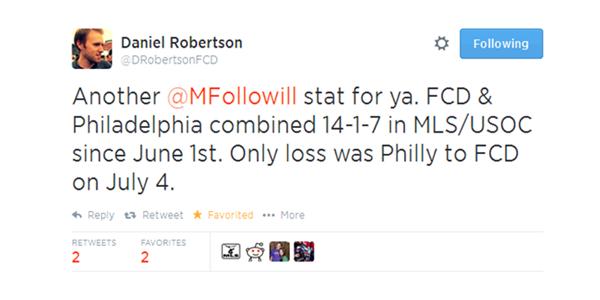
Tweet of the Year – this is pure gold
 And there you have it – MLS 2014. Hope you enjoyed it and I will try to post a little more frequently.








 Soccer Therapy