***Every now and then, we like to mix it up here on Soccer Therapy. The post below is this blog’s first about Futbol NorteAmericano. MLS/Soccer posts are in the works, but a little variety goes a long way.***
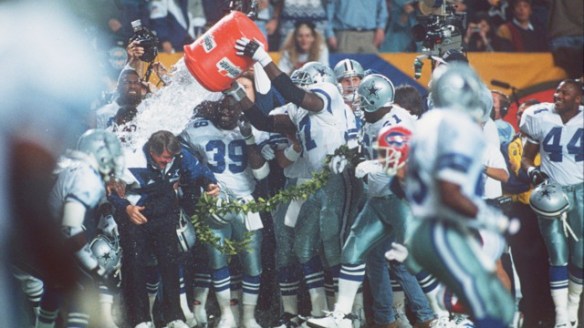 I know, it’s unhealthy for Cowboys fans to dwell on their glorious past, but it’s also an eye-opening educational experience. Go back to the early 90s when Dallas’ offensive line was manhandling the NFL en route to winning three Super Bowls in four years. The ’93 Super Bowl Champions were anchored by Pro Bowlers at offensive tackle (Erik Williams), guard (Nate Newton), and center (Mark Stepnoski). Shortly after the 1993 championship campaign, Dallas used their 2nd round pick in the 1994 NFL Draft on offensive guard Larry Allen, adding one of the finest players in league history to an already dominant unit. Allen wasted no time getting on the field, starting ten games as a rookie. In just his second year, he was one of a record four Cowboys O-linemen voted into the Pro Bowl (the others were Ray Donaldson, Nate Newton, and Mark Tuinei). The dominant foursome helped the ‘Boys reach Super Bowl XXX, where Dallas won their third title in four years and fifth overall. That win over Pittsburgh in the desert cemented those early 90s Cowboys as one of the greatest dynasties in league history. Dallas was led by the sexy trio of Michael Irvin, Emmit Smith and Troy Aikman, countless studs on the defensive side and a dream-team coaching staff. It’s no wonder then that many folks may have thought their early 90s dominance was a team effort, a product of one of the greatest rosters ever assembled. It’s true the ‘Boys were stacked with Hall of Famers, but it’s also true that the O-line was among the greatest of all time, and that the unit had an extraordinary impact on the team’s ability to win.
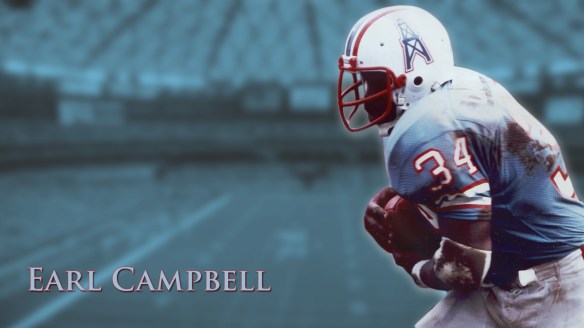
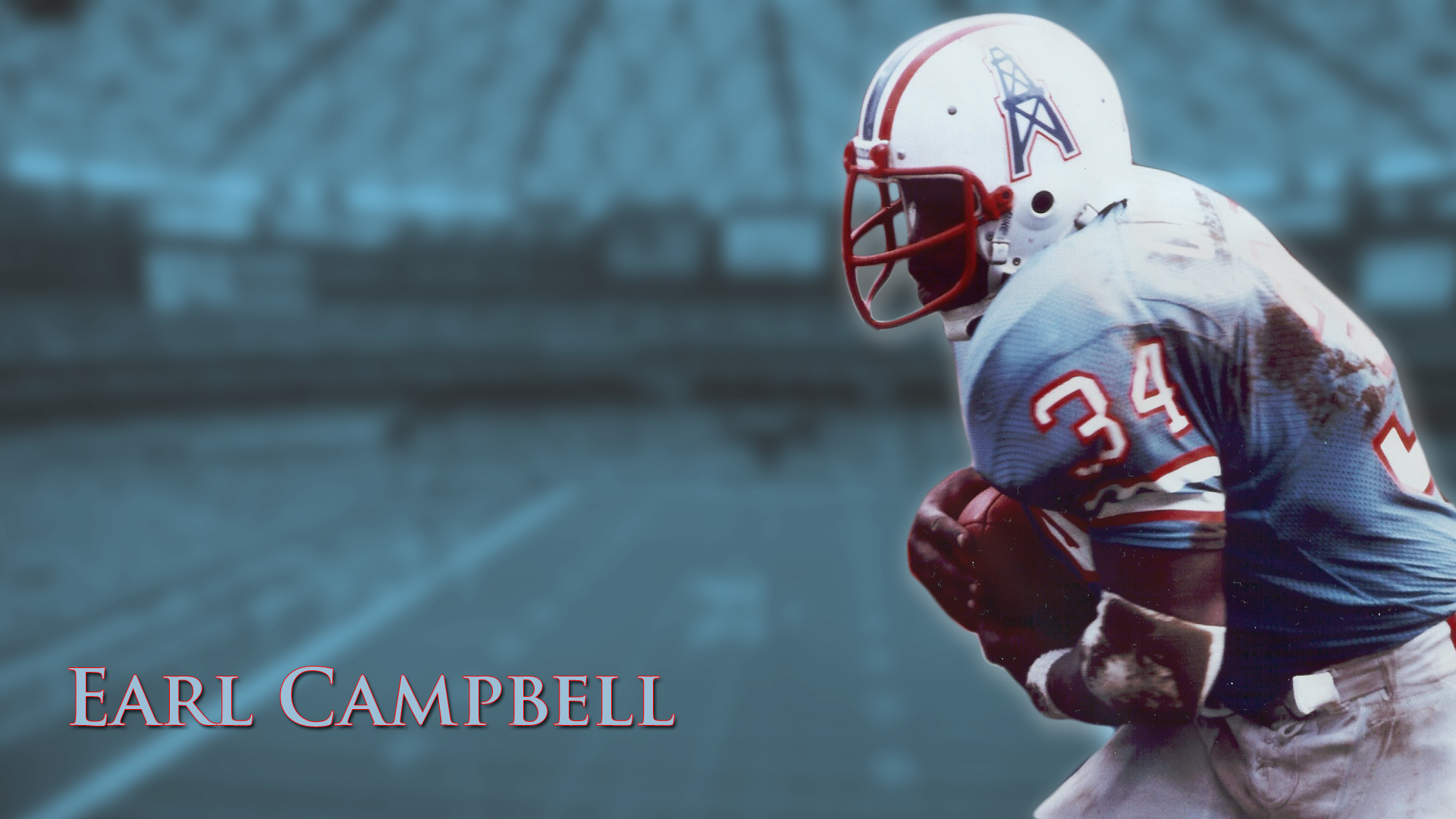
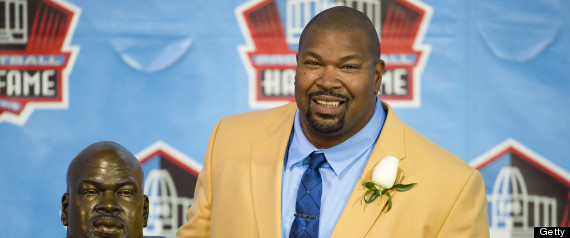 The proof is in the film. In fact, the NFL Network series, “A Football Life,” dedicated an entire episode to the Dallas fronts of the early 90s: “A Football Life: The Great Wall of Dallas – The Perfect Unit.” There is also proof in the form of Emmit Smith, statistically one of the most dominant backs in league history. Any NFL fan with a pair of eyes knows that Emmit doesn’t make the top 10 list of most gifted backs to play in the league. He was a leader, tough as nails, had great vision, and superior lateral movement. The finest RBs to ever suit up in the NFL? That list consists of guys like Gayle Sayers, Eric Dickerson, OJ Simpson, Barry Sanders and Adrian Peterson. Yet Emmit excelled in Dallas, winning three Super Bowls and setting the NFL mark for career rushing yards, undoubtedly one of the most coveted records in all of sports. During the early 90s, the Great Wall of Dallas paved the way for Emmit’s four league rushing titles in just five years. While it was a run first league back then, that last one is breathtaking statistic. I hate to take anything away from Emmit, he was a Hall of Fame back and an even better person, but it should be said that history would have played out differently had be not been surrounded with so much talent. It’s true that most successful players in the NFL do not succeed on their own – they need all stars around them to become all stars themselves. But this truth does not hold at the running back position, where greats like Barry Sanders and Earl Campbell produced legendary careers with weak supporting casts. I love Emmit, but his outrageous success in the NFL serves as proof that the ‘Boys O-line from the 90s was extraordinary.
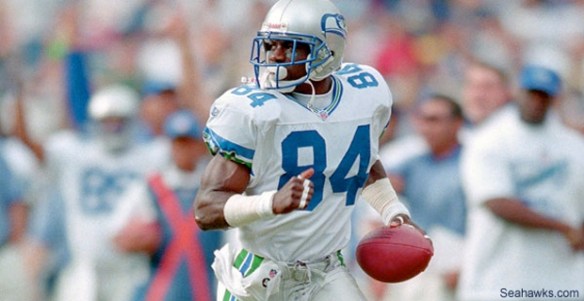
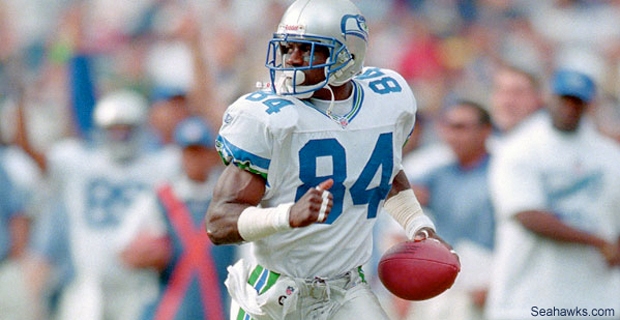
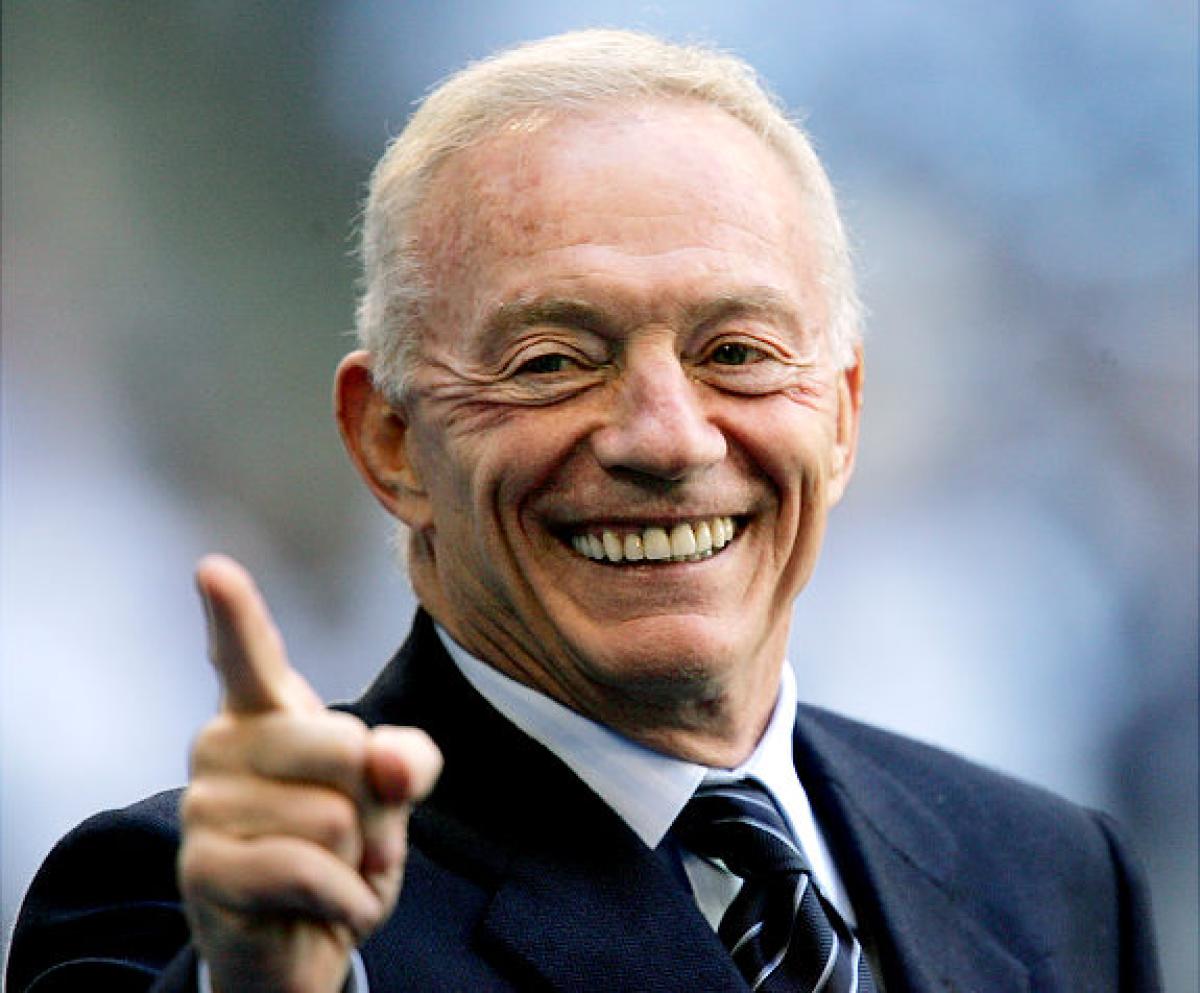
 Moving along now into the darker, latter half of the 90s and early 2000s. Jerry Jones is desperate to recapture the success and ensuing glory of his recent dynasty. Rather than building a team from the inside out, as all successful NFL lifers know to do, Jerry made one frivolous high-profile move after another. Perhaps the most infamous of Jerry’s personnel blunders was the Joey Galloway trade from February of 2000. Dallas gave Seattle their first round picks from 2000 and 2001 in exchange for a wide receiver that would produce just 12 touchdowns in 48 games with the team. There was also the failed trade for Roy Williams that cost the team a first, third and sixth round draft pick.
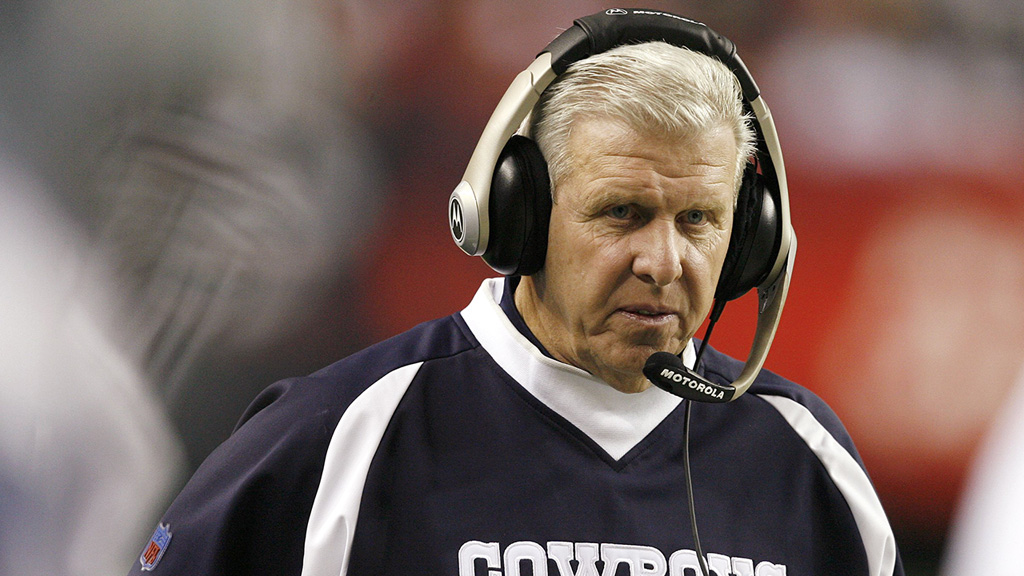
 All of this changed, though, when Jerry realized he was the source of his beloved team’s problems. In January 2003, Jerry briefly swallowed his pride in an effort to hire one of the greatest coaches in American sports history, Bill Parcells. Parcells changed everything, building his team through the draft and eventually compiling one of the most talented rosters in the NFL before leaving in ’06. The “Tuna” crushed it in the draft during his time in Big D, bringing in guys like Jason Witten (3rd round), DeMarcus Ware (1st round), and some great late round values like Jay Ratliff, Jason Hatcher and Chris Canty. Oh yeah, he also signed a fella named Tony Romo as an undrafted free agent. Wade Phillips was the main benefactor of Parcell’s four year talent acquisition project in Dallas. He took a strong 2007 Cowboys roster, one that a genius architect built from scratch in just four years, to a 13 win season, a division title, and a narrow divisional round playoff loss to the eventual Super Bowl champs. Phillips did some nice things in ’07 and ’08, but it only took him until 2010, when he was fired mid-season, to run that Dallas iteration into the ground.
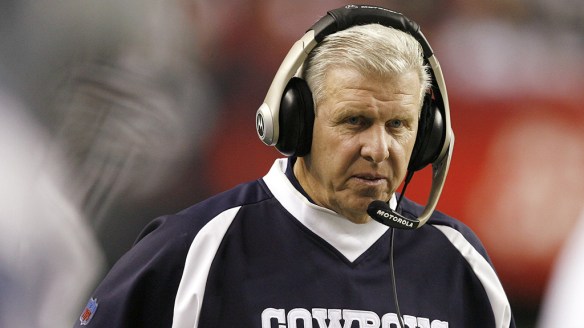 But really, this post isn’t about Phillips, Parcells or even the Cowboys. It’s about building a team from the inside out, and knowing that sustainable success in the NFL starts up front. Pete Carroll knew this when he took over as head coach of the Seahawks in 2010, and he showed as much when he used his first pick on the job to draft a franchise tackle, Russell Okung (6th overall out of Okie St). During the 2011 NFL Draft, just his second in Seattle, Carroll spent his first and second rounders on an offensive tackle and a guard. Carroll invested his most valuable picks in his O-line during his first two years back in the league, and it helped lay the foundation for Seattle’s Super Bowl run in 2014. It’s clear that Pete knew exactly what was needed from a personnel standpoint to succeed in the NFL. I think Bill Parcells also knew this, too. Despite bringing so much talent to Big D in such a short period of time, Parcells failed to make a lasting impact to the offensive line. He spent a high second rounder on Al Johnson (C, Wisconsin) in 2003 and valuable 2nd and 3rd round picks on a tackle and a guard in 2004 (Jacob Rogers, USC and Stephen Peterman, LSU). Not one of these three lasted long with Dallas, and all ended up as draft busts. But the pattern of drafting shows that Parcells knew what he was doing, that if he could make one side of his O-line dominant, everything else would fall into place. Many fans recognize that the O-line makes all the difference on offense. A good, reliable set of hogs up front makes everyone a better player, the QB, the backs, and the pass catchers. But few fans of the game recognize how much a quality O-line aids the defense. When you can run the ball, dictate the pace of the game by controlling the clock, and consistently convert in high pressure, short yardage situations, both the offense and defense benefit.
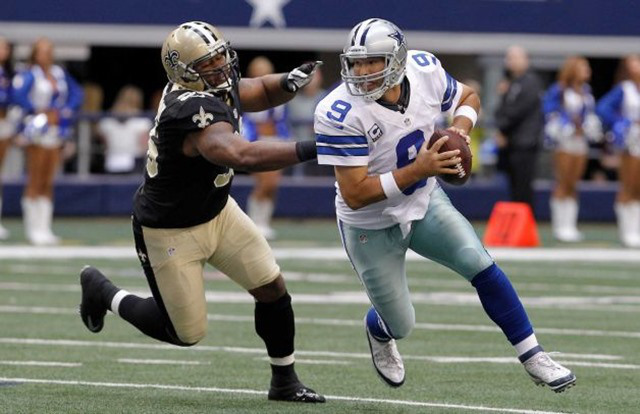
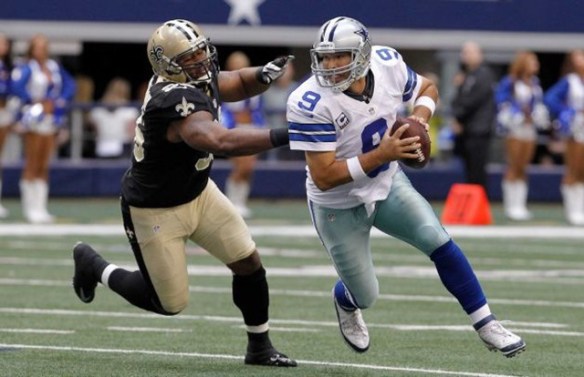 Never has this truth been more evident than during the Tony Romo era in Dallas. For about half a decade, Romo played lights out football, carrying an awful defense and an even worse O-line to a respectable record and even a few playoff appearances (when he was healthy that is, he was frequently injured because he was running for his life until 2011). But Dallas was never a contender – they had no running game, were hopeless in short yardage situations, and because they never controlled the clock, the defense was gassed and guaranteed to choke come crunch time. Fast forward to 2014, when the Cowboys sported a balanced attack for the first time in Romo’s career. Romo led the ‘Boys to a 12-4 record and had the team playing their best football since the turn of the century. And because DeMarco Murray and the O-line insured we almost always won the time-of-possession battle, our average defensive players punched above their weight for most of the season. Sure, Dallas lost to the Packers in the divisional round of the playoffs, but that’s beside the point. Why were the Cowboys playing their best, most physical football since the 90s? It’s because after almost 20 years, Jerry Jones finally figured out what Jimmy Johnson, Bill Parcells and Pete Carroll have known from the beginning: it all starts up front. In 2011, Jerry changed course and used his first round selection on Tyrone Smith (Offensive Tackle, USC). Two years later he spent another first rounder on an O-lineman, drafting center Travis Frederick out of Wisconsin. In 2014, Jerry again invested in the most important unit on a football team, taking versatile lineman Zack Martin with the 16th pick out of Notre Dame. All three picks have been hits, and since the start of the 2014 season, Dallas’ O-line has been one of the best units in the NFL.
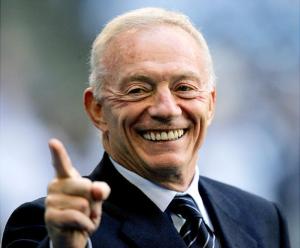
It took me 16 years, but I fangered it out!
To me, it’s amazing how many teams we’ve seen succeed by building through the draft and from the inside out, yet Jerry Jones needed 16 years to learn the lesson for himself. Once he began investing in the O-line in 2011, Dallas’ fortunes changed for the better. It’s a discouraging thought for fans and management alike: building a team inside out from scratch, knowing it’ll take a minimum three years to draft and develop what’s needed to become a winner. It happens quickly, though, and every year a shoddy team spends their resources to acquire talent outside the trenches is a wasted year. The Cowboys wasted the late 90s and first decade of the 2000s doing exactly that, but it seems like just yesterday Dallas selected Tyrone Smith in the draft, and now the club has a foundation they can continue to build on for a long time.
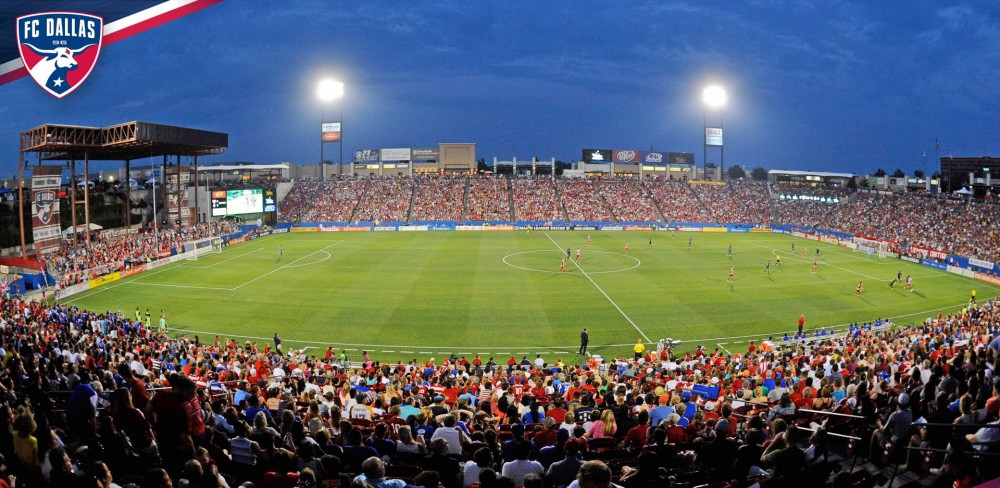
 One of my Radar posts back in March featured a short paragraph titled Papi’s Set Pieces. Obviously the focus was on the second year head man at FC Dallas, Oscar Pareja, and his brilliant set piece tactics early in the 2015 season. I’ve taken that paragraph and re-posted it below. Below that, you’ll find a new paragraph and video featuring another creative play Oscar drew up during the MLS Cup 2015 Playoffs.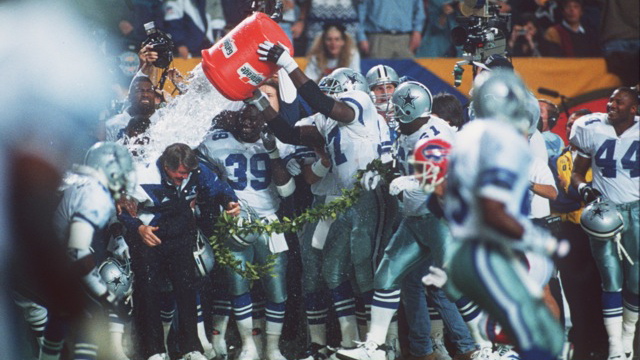
 Soccer Therapy